
Drainage Guide
Standing water has a cause — usually the grade, the soil, or runoff with nowhere to go. Here's how to read the problem and what kinds of corrections actually work.
Water sits where the ground can't get rid of it. The fix depends on why it's sitting there — so the first step is figuring out the cause.

The most common cause of standing water is a low spot — a depression where water collects because there's no slope to carry it away. The ground was either never graded right, or it settled over time.
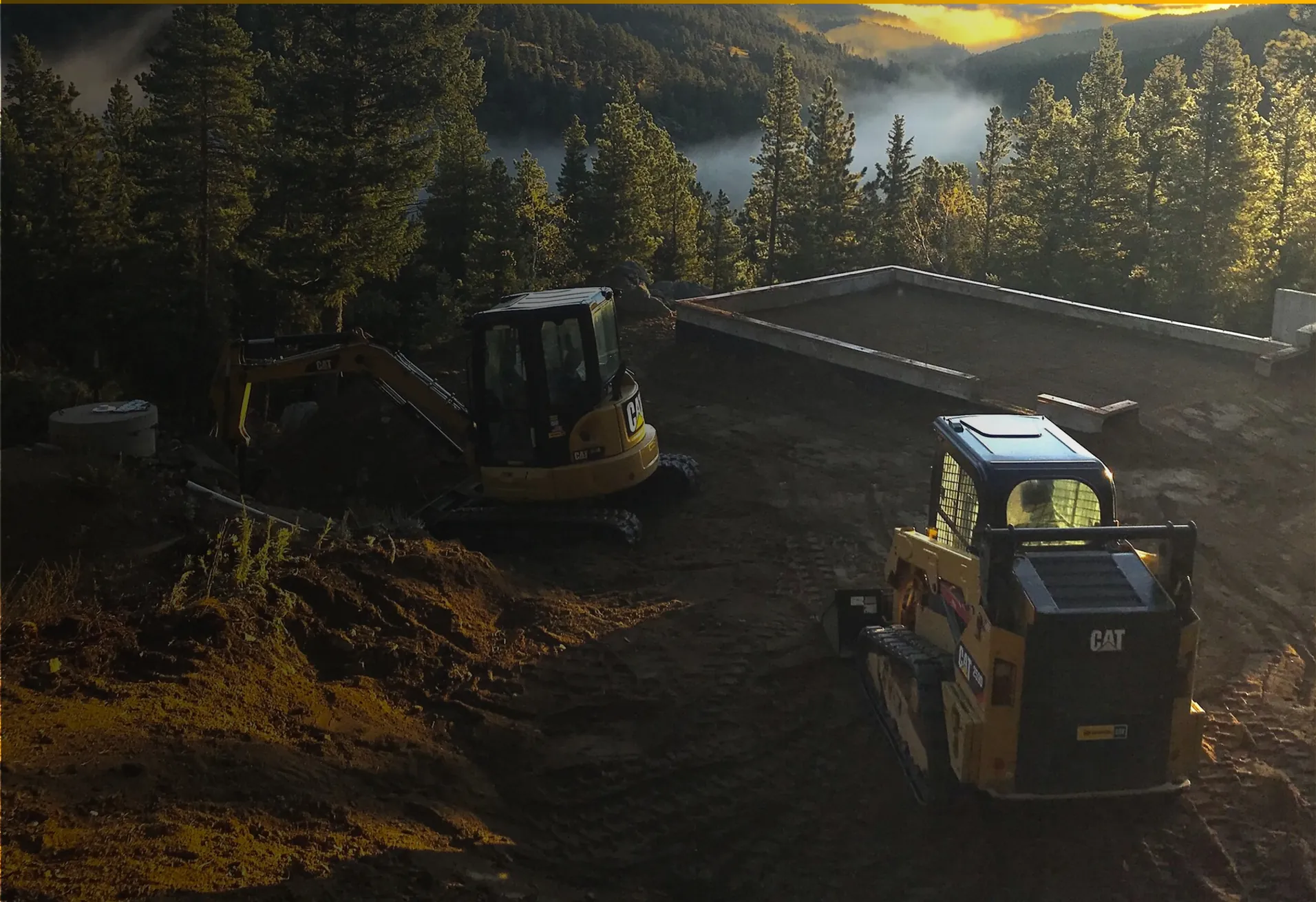
Some soil sheds water instead of absorbing it. Compacted clay — common across Western NC — holds water on the surface long after the rain has stopped.
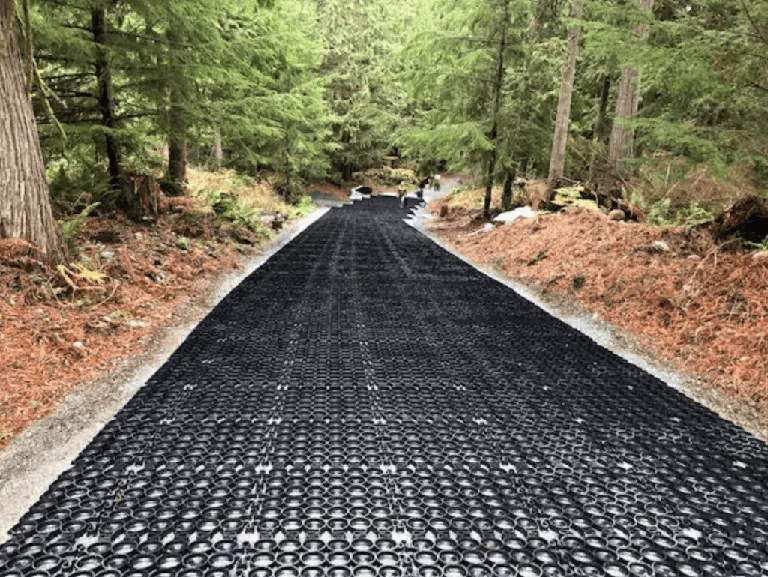
When water from a slope, a roof, or a driveway flows onto your property and has no exit, it pools. The water is coming in faster than the land can shed it.

Sometimes there's drainage in place — it just doesn't work. Clogged pipes, collapsed lines, or a system that was never sized for the water it sees all leave the yard wet.
No single fix works for every wet yard. The right correction depends on the cause — and often it's a combination of methods working together.
Reach out — we'll review your project and walk you through the next step.